Heat Pump Water Heater Installation in Vermont - Cut Your Water Heating Costs

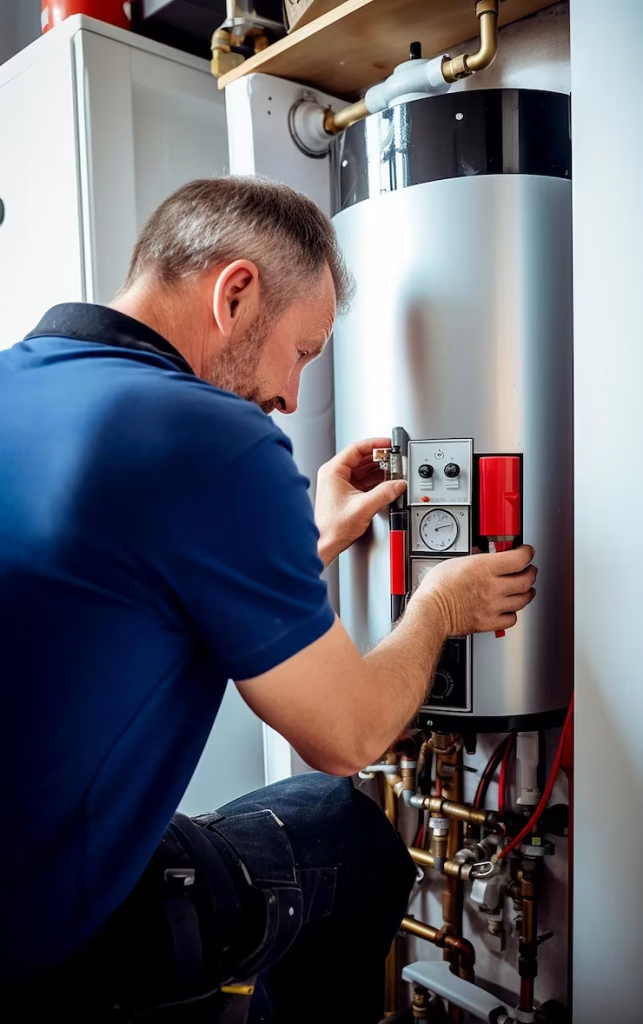
A heat pump water heater is the most cost-effective efficiency upgrade most Vermont homeowners can make outside of heating system replacement. The economics are straightforward: a standard electric water heater converts one unit of electricity into one unit of heat. A heat pump water heater uses that same unit of electricity to move three units of heat from the surrounding air into the water tank. The result is water heating at roughly one-third the energy cost.

Heat Pump Water Heater Savings

For Vermont homeowners with electric rates around $0.22–$0.26 per kWh – which is typical in Chittenden County – a heat pump water heater saves $300–$600 per year compared to standard electric resistance. The system pays back in three to five years before incentives, and often in two to three years after Efficiency Vermont rebates and the federal tax credit.

How a Hybrid Water Heater Works in a Vermont Climate

Heat pump water heaters pull heat from surrounding air, so they work best in spaces with ambient temperatures between 40°F and 120°F. Vermont basements in winter typically hold 55–65°F – well within the optimal operating range. The system has an electric resistance backup element for periods of very high demand, ensuring you never run out of hot water.
One consideration: heat pump water heaters extract heat from the air in the room where they’re installed, which slightly cools that space. In a finished basement or conditioned living area, this is a minor issue and is actually a summer benefit (free cooling). In an unconditioned basement or utility room, the cooling effect is negligible.

Frequently Asked Questions

Yes. Vermont basements maintain 55–65°F year-round, which is within the ideal operating range for heat pump water heaters. Performance is optimal above 50°F - our winters don't push basements below that threshold in most homes.
We size based on household hot water demand. A 50-gallon unit covers most families of four; a 65-gallon unit for larger households or homes with high hot water usage. We confirm sizing during a brief phone consultation. Q: Can a hea
Usually, yes - the installation footprint is similar to a standard electric water heater, with the addition of a small condensate drain. We need adequate air volume around the unit (typically 750–1,000 cubic feet minimum) and a 240V electrical circuit. Most Vermont basements meet these requirements.

Get a Water Heater Quote

We serve Burlington, Essex, South Burlington, Colchester, Williston, and all of Chittenden County. Call (802)
233-0790 or request your free boiler assessment online.