Central Heat Pump Installation in Vermont - Whole-Home Ducted Systems

If your Vermont home already has forced-air ductwork, a central heat pump is often the most cost-effective path to high-efficiency whole-home heating and cooling. You get the performance of a cold-climate heat pump through the distribution system you already have – no wall penetrations per room, no multiple indoor units, no new electrical panels for multiple outdoor units.
We install Daikin Aurora ducted systems as our primary central heat pump recommendation for Vermont. The Aurora line is rated to -13°F and achieves up to 18 SEER2 – among the best ratings available in a ducted system. It’s compatible with most existing air handlers and furnaces as a standalone replacement or as a dual-fuel setup with your existing furnace.

A central ducted heat pump replaces or supplements a gas or oil furnace, using existing ductwork to distribute both heating and cooling throughout the entire home. Daikin's Aurora central heat pump is rated to -13°F with up to 18 SEER2 efficiency. Whole-home central system installations in Vermont typically cost $8,000–$15,000 depending on existing ductwork condition and system complexity.

Dual-Fuel Systems - Heat Pump Plus Furnace

A dual-fuel setup pairs a central heat pump with your existing gas or propane furnace. The heat pump handles all heating when temperatures are above a set threshold – typically 20–30°F – and the furnace takes over during the coldest nights when fuel combustion is more economical than electric resistance. In many Vermont homes, this configuration delivers the best combination of efficiency and cold-weather reliability without requiring a completely new heating system.
We set the switchover temperature based on your local utility rates and fuel costs. If you’re paying $4/gallon for propane, the switchover point is different than if you’re paying $2.20/gallon. We do the math.

What Happens to Existing Ductwork

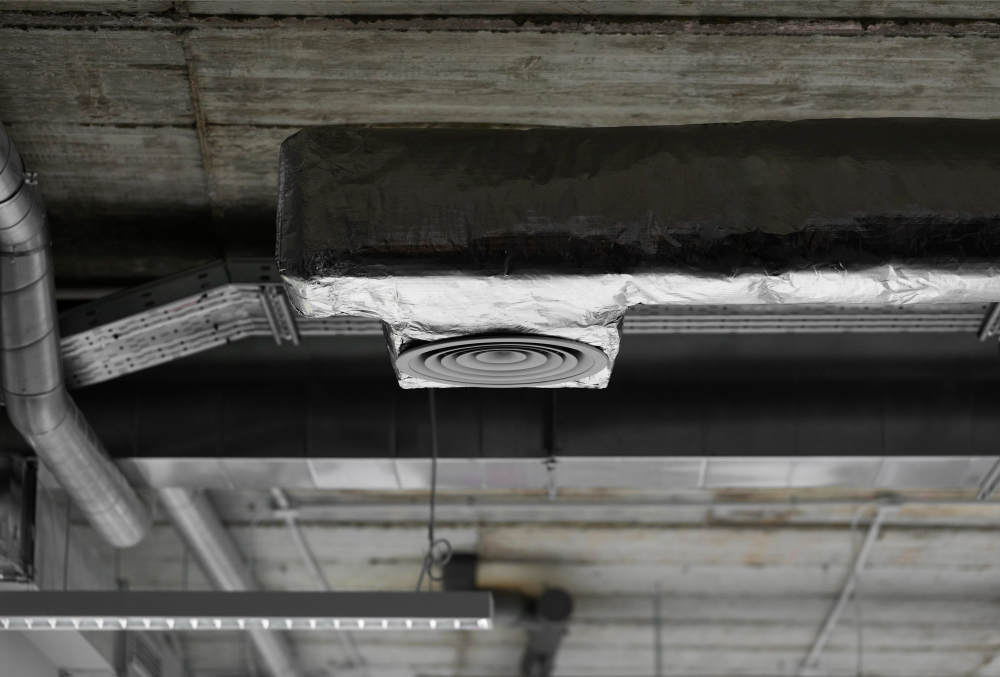
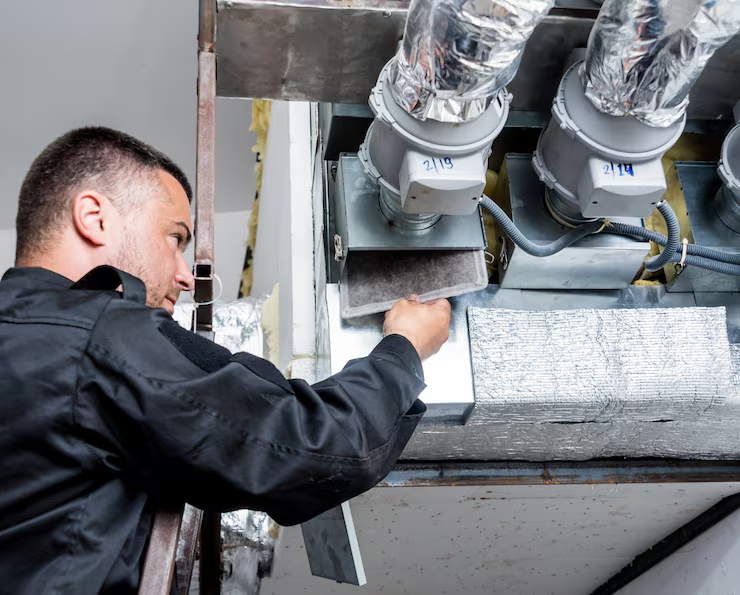
Before installing a central heat pump, we evaluate duct condition and sizing. Heat pumps move air at lower temperatures than gas furnaces – meaning they need to move more air volume for the same heat output. Ductwork designed for a high-temperature furnace may need modifications to work efficiently with a heat pump.
In our experience, roughly 60% of Vermont homes we evaluate have ductwork that’s adequate with minor sealing and balancing. About 30% need moderate modifications. About 10% have ductwork so undersized or deteriorated that a ductless system is actually more economical than correcting the ducts. We tell you which category you’re in before you spend anything.

Frequently Asked Questions

In most cases, yes - with the right system and proper sizing. A cold-climate central heat pump can serve as the sole heat source for a well-insulated Vermont home. For homes with higher heat loads or very cold locations, we often recommend retaining the existing furnace as a backup rather than removing it, creating a Langlois Plumbing, Heating & AC LLC - Website Developer Guide v6.0 Page 23 dual-fuel system.

A central heat pump provides both heating and cooling. If you currently have a separate central air
conditioner, the heat pump replaces it. One system handles both functions year-round.

Not necessarily. We evaluate duct condition, sizing, and leakage before making any recommendation.
Leaky ducts reduce system efficiency by 20–30% and are worth sealing regardless of what heating system
you use. We can assess and advise - we don't push unnecessary duct work.

Get a Central Heat Pump Assessment

Central heat pump installations require a site visit to evaluate ductwork – there’s no substitute. Call (802) 233-0790 OR Request Schedule your free assessment.