
Modern cold-climate heat pumps (such as Mitsubishi Hyper Heat) operate efficiently down to -13°F, making them viable as primary heating in Vermont. A heat pump's COP (coefficient of performance) of 2.0–3.0 means it delivers 2–3 units of heat per unit of electricity - compared to a 95% AFUE boiler that delivers 0.95 units of heat per unit of fuel. Vermont's electricity rate of approximately $0.22/kWh affects the economic comparison relative to propane or natural gas prices.
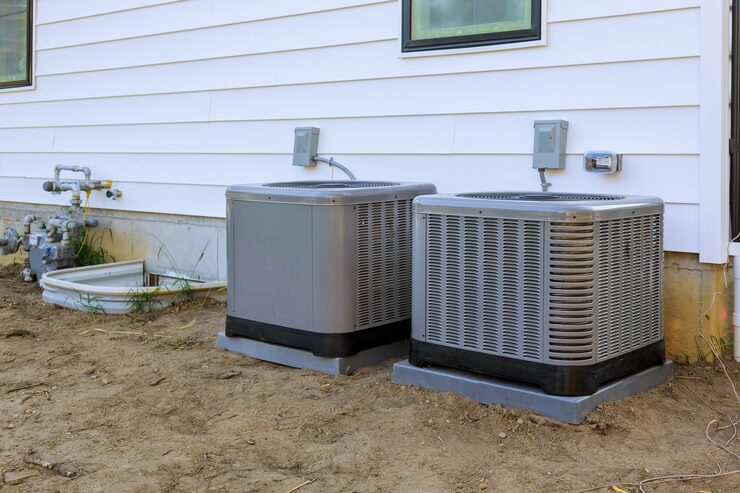

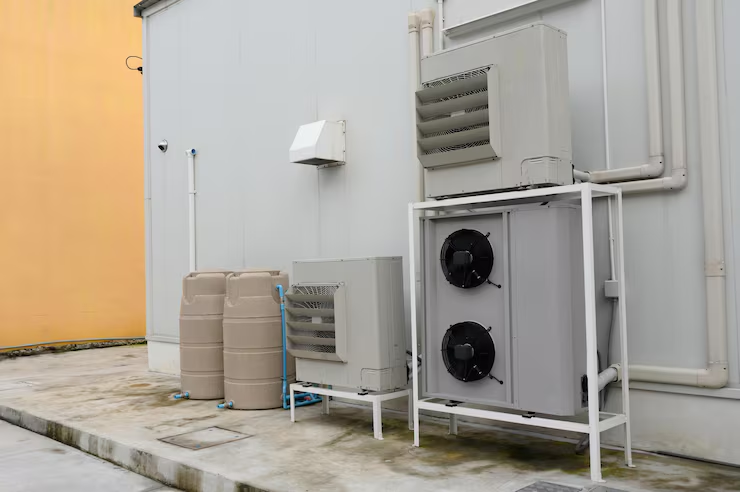
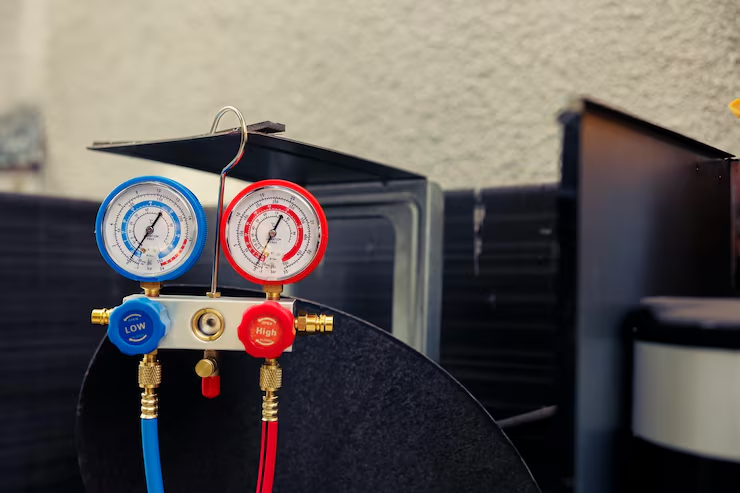
A cold-climate heat pump like the Mitsubishi Hyper Heat can operate as the primary heat source in
Vermont, but most Vermont HVAC contractors (including us) recommend a backup for the coldest weeks of
the year, particularly if the home has high heat load or poor insulation.
It depends on your fuel costs. If you heat with propane ($4–5/gallon in Vermont), a heat pump is almost
always less expensive to operate. If you heat with natural gas, the comparison is closer and depends on your
local electricity rate.
Ductless heat pumps (mini-splits) work independently of baseboard systems - they heat and cool
individual rooms or zones via wall-mounted air handlers. They do not distribute heat through your existing
baseboard. For baseboard-compatible heat distribution, a hydronic heat pump connected to the existing
piping is an option, though less common.